
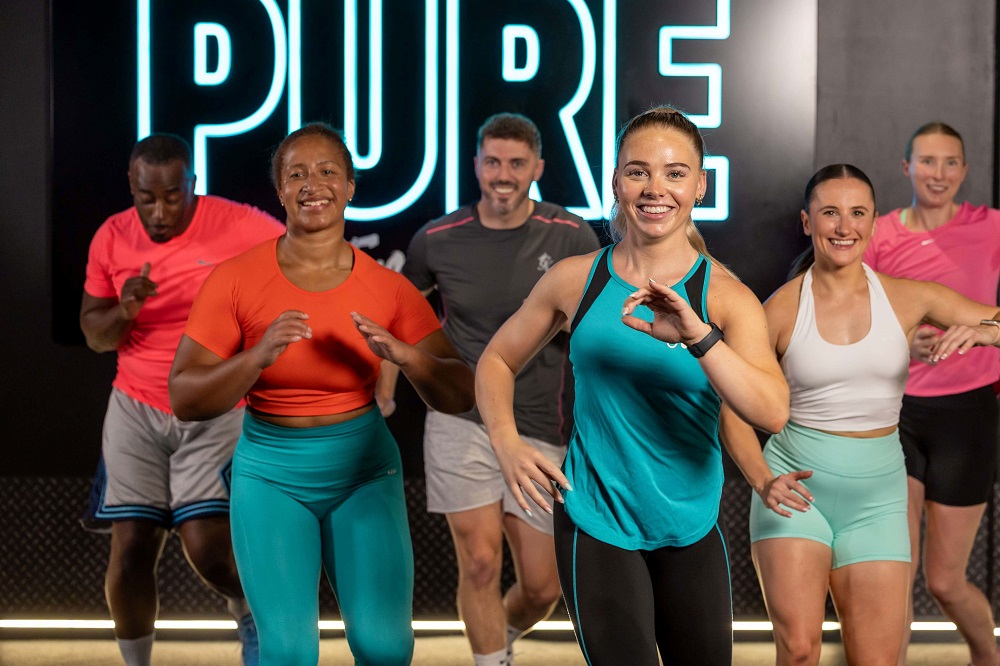
Some workouts feel difficult before they even begin. They involve counting sets, watching the clock, lifting carefully, or pushing through repetitive cardio. Those methods can be effective, but they do not appeal to everyone. Many people need fitness to feel more alive, more social, and less like a chore. That is one reason dance fitness has remained popular.
For people searching for zumba classes singapore, the appeal is clear. Zumba-style training blends upbeat music, simple dance patterns, cardio movement, and group energy. It can feel fun because participants are moving to music rather than focusing only on effort. At the same time, it can challenge stamina, coordination, balance, and rhythm.
Why Fun Matters in Fitness
People often underestimate enjoyment. They think fitness should be serious to be effective. But enjoyment is one of the strongest predictors of consistency. If a person likes the workout, they are more likely to return.
Fun does not mean easy. A workout can be fun and still challenging. In fact, enjoyment can help people work harder without feeling as mentally drained.
Zumba-style classes use music and movement to make effort feel more natural.
Music Changes the Experience of Cardio
Music can transform cardio. Instead of focusing on fatigue, participants follow rhythm and energy. Songs create emotional shifts throughout the class. A fast track may increase intensity. A more playful track may make movement feel lighter. A familiar beat may encourage people to move with more confidence.
This makes the workout feel less like exercise by repetition and more like a guided movement experience.
The body still works, but the mind stays engaged.
Group Energy Adds Motivation
Zumba-style classes often rely on the energy of the room. When people move together, the class feels more exciting than training alone. The instructor leads, participants follow, and the group creates momentum.
This can help people continue even when the workout becomes challenging. They may push through because the music and group energy carry them forward.
Motivation becomes shared rather than fully self-generated.
The Cardio Challenge Is Real
Because Zumba can feel fun, some people assume it is not a serious workout. That is not accurate. Continuous dance-based movement can raise heart rate, challenge breathing, and build stamina over time.
The intensity depends on how the participant moves. Bigger steps, stronger arm movements, deeper bends, and more energy increase the challenge. Smaller movements reduce intensity.
This makes the format flexible for different levels.
Coordination Improves Over Time
A Zumba-style class may feel confusing at first if someone is not used to dance fitness. That is normal. The body needs time to learn step patterns, rhythm changes, and transitions.
Over time, coordination improves. Participants begin to recognize common movements and respond faster. This progress can be satisfying because people feel themselves becoming more capable.
The learning process becomes part of the fun.
It Can Feel Less Intimidating Than Traditional Gym Training
Some people feel uncomfortable in weight rooms or unsure around machines. Dance fitness can feel more welcoming because the focus is on movement and music. The room feels less like a performance space and more like a shared experience.
This does not mean everyone feels confident immediately. But the atmosphere often helps reduce pressure.
Participants can work at their own level without needing to master equipment.
Zumba Supports Stress Relief
A dance-based class can provide a strong mental reset. Music, movement, rhythm, and group atmosphere help shift attention away from stress. After a long workday, this can be refreshing.
Stress relief is one of the reasons people return to dance cardio even when they have other workout options. It feels emotionally rewarding.
Fitness that improves mood has a better chance of becoming a habit.
Low-Impact Adjustments Make It More Accessible
Not everyone wants to jump, twist aggressively, or move at maximum speed. A good instructor provides lower-impact options. Participants can step instead of hop, reduce arm intensity, or take smaller movements while still staying involved.
This helps people stay safe and comfortable.
The class should feel adaptable, not exclusive.
It Encourages Consistent Movement
Many adults need more movement in their week. Zumba-style classes provide a simple way to add cardio without needing to run outdoors or use machines. The class format creates a clear start and finish, which helps with planning.
People who struggle to do solo cardio may find dance fitness easier to repeat.
Consistency is where the real benefit appears.
It Builds Confidence in the Body
Dance fitness can help people feel more comfortable moving. At first, they may feel awkward. Over time, they may become more relaxed, expressive, and confident. This confidence can carry into posture, social settings, and other workouts.
A person does not need to be a dancer. They simply need to participate and improve gradually.
Zumba Should Be Part of a Balanced Routine
Zumba-style classes can support cardio, coordination, and enjoyment, but a balanced routine should also include strength training and recovery. Strength work supports muscles and joints. Mobility work supports movement comfort.
A strong weekly plan may include one or two dance cardio classes, two strength sessions, and one recovery or mobility session.
This balance helps the body stay well-rounded.
Choosing the Right Class
The right class should have clear cueing, good music, positive energy, and intensity options. The instructor should make participants feel welcome, not judged. The schedule should also fit the person’s routine.
Enjoyment matters, but so does consistency.
For people comparing dance-based class options, True Fitness Singapore may be relevant when looking for group fitness that combines music, cardio, movement variety, and structured indoor training.
FAQ
Is Zumba-style training good cardio?
Yes. Continuous dance movement can raise heart rate and improve stamina when practiced consistently.
Do beginners need dance skills?
No. Beginners can start with smaller movements and improve coordination over time.
Can Zumba help with stress relief?
It can help many people because music, movement, and group energy create a positive mental reset.
Should Zumba be combined with strength training?
Yes. Combining dance cardio with strength and mobility creates a more balanced fitness routine.
