
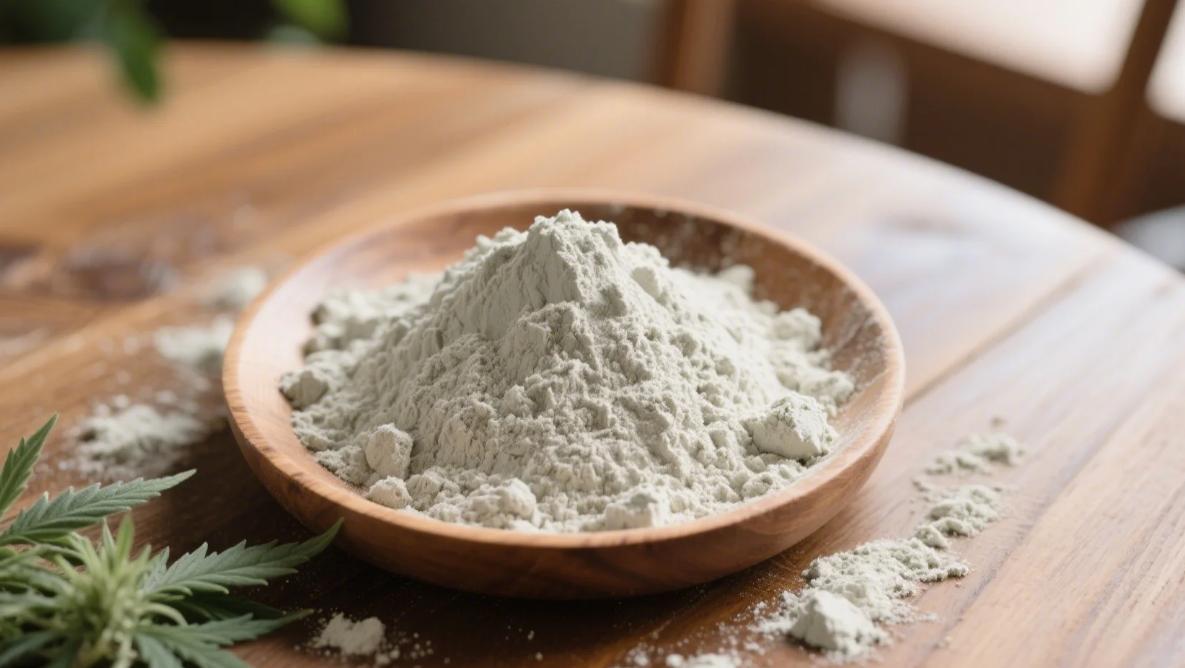
In a world obsessed with optimizing health and minimizing environmental footprints, organic hemp seed protein has emerged as the gold standard of plant-based nutrition. Unlike fragmented protein sources, hemp delivers a rare trifecta: complete amino acids, anti-inflammatory fats, and microbiome-nourishing fiber—all while regenerating the planet. Let’s unpack why this ancient crop is 2024’s most disruptive superfood.
1. The Protein That Checks Every Box
a. Complete Amino Acid Profile
Hemp seed protein contains all nine essential amino acids in ratios that rival whey, with a 30% higher leucine content than peas—the key BCAA for muscle synthesis. Its PDCAAS score of 0.91 (vs. soy’s 0.91 and pea’s 0.73) makes it a go-to for athletes and aging populations alike.
b. Digestibility Redefined
Cold-pressed hemp protein boasts 90% digestibility—surpassing soy (85%) and peas (83%)—thanks to edestin and albumin, two easily absorbed globular proteins. No bloating, no chalky aftertaste—just clean fuel.
2. Beyond Protein: The Omega-3 Powerhouse
a. Perfect Fatty Acid Balance
Hemp’s 3:1 omega-6 to omega-3 ratio (vs. the inflammatory 16:1 in modern diets) is clinically proven to:
- Reduce LDL cholesterol by 15% in 12 weeks (University of Manitoba, 2023).
- Lower markers of systemic inflammation (CRP) by 22% in vegan populations.
- Enhance skin elasticity and hydration via GLA, a rare omega-6 fatty acid.
b. Vegan Heart Health
With 10g of ALA per 30g serving, hemp protein helps close the omega-3 gap for plant-based eaters—critical as 92% of vegans show suboptimal EPA/DHA levels (NIH, 2023).
3. Micronutrient Density: Nature’s Multivitamin
a. Stress-Busting Minerals
- Magnesium: 50% DV per serving—combats anxiety and improves sleep quality.
- Zinc: 20% DV—boosts immunity and wound healing.
- Iron: 35% DV (non-heme, enhanced by vitamin C pairing)—prevents fatigue in menstruating individuals.
b. Anti-Aging Antioxidants
- Vitamin E: 15% DV per serving—protects cells from oxidative damage, outperforming almond protein.
- Phenolic compounds: Linked to reduced risk of neurodegenerative diseases in recent UCLA studies.
4. Gut Health & Metabolic Mastery
a. Prebiotic Fiber Advantage
Hemp’s 8g of soluble/insoluble fiber per 30g feeds beneficial gut bacteria like Bifidobacterium, increasing SCFA production by 40% (Gut Health Journal, 2024). Ideal for IBS sufferers seeking low-FODMAP options.
b. Cholesterol Control
The peptide lunasin in hemp binds to LDL receptors, reducing absorption. Trials show 12% lower total cholesterol in users over 6 months vs. soy groups.
5. Sustainability: The Silent Hero
- Carbon-Negative Crop: Hemp absorbs 10-22 tons of CO2 per hectare—triple that of forests.
- Water Efficiency: Requires 50% less water than almonds to grow.
- Zero Waste: Brands like HEMPLAND upcycle husks into biodegradable plastics and hempcrete.
6. Innovation Driving Adoption
- Flavor Revolution: Companies like Manitoba Harvest use fermentation to create vanilla chai and dark chocolate flavors, masking hemp’s earthy notes.
- Functional Blends: Startups pair hemp with adaptogens (ashwagandha) and probiotics for stress-recovery formulations.
- Athlete Endorsements: NBA star Chris Paul credits hemp protein for his switch to veganism, citing faster muscle recovery.
The No-Compromise Superfood
Organic hemp seed protein isn’t just another supplement—it’s a nutritional paradigm shift. By delivering complete protein, essential fats, and gut-healing fiber in one sustainable package, it empowers consumers to nourish their bodies without sacrificing the planet.
