
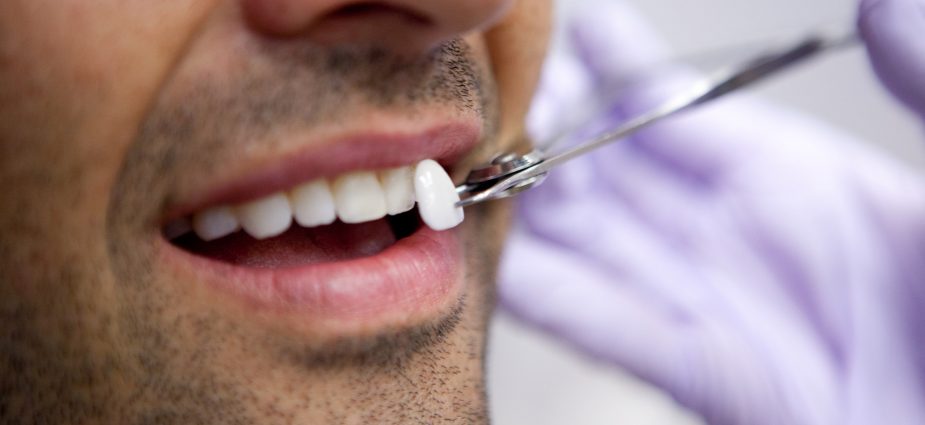
Porcelain veneers have become increasingly popular among people in London who desire swift yet dramatic enhancements to their smiles. The widespread emphasis on personal appearance fuels the demand for procedures that can deliver near-instant results. Porcelain veneers, thin shells designed to cover the front surfaces of teeth, have emerged as a sought-after choice for those looking to correct a range of aesthetic concerns—whether it is discolouration, chips, or minor misalignment. Many consider it a shortcut to perfection, as these custom-made restorations can be fitted in a relatively short time compared to more extensive orthodontic or restorative treatments.
According to dr. Sahil Patel of Marylebone Smile Clinic: “One of the greatest appeals of porcelain veneers is their versatility in treating various dental imperfections without multiple lengthy procedures. They can often provide a significant, natural-looking improvement to a patient’s smile, which can in turn boost confidence, both professionally and socially.”
The procedure’s swift turnaround and the ability to achieve long-lasting results explain why individuals in different industries—from corporate professionals aiming to make a memorable first impression to media personalities who depend on a camera-ready appearance—are opting for porcelain veneers. The readiness of specialized clinics has also contributed to their appeal. A well-regarded cosmetic dentist London offers can oversee the entire process, ensuring that each veneer is carefully crafted and tailored to a patient’s facial features. Equally important is the growing awareness of oral health in the UK, which leads many to explore comprehensive solutions that not only enhance appearance but also promote dental strength and longevity.
The Rise of Porcelain Veneers in London
The rising popularity of porcelain veneers in London is not a simple fad. Londoners have long held an interest in cutting-edge cosmetic and aesthetic procedures, from fashion to beauty to fitness. Porcelain veneers fit smoothly into this pattern, offering a polished look that requires relatively little downtime. What distinguishes these veneers from other solutions is their capacity to correct multiple issues simultaneously. A single set of veneers can eliminate the need for both whitening sessions and orthodontic aligners if the underlying problems are minor enough to be concealed by a bespoke shell.
London’s cosmopolitan environment has a way of magnifying physical and aesthetic expectations. In an increasingly visual world, people are drawn to quick, highly effective treatments that will help them stand out or simply feel more confident. Advancements in dentistry, especially with high-quality materials, allow porcelain veneers to look and function in a manner that closely resembles natural teeth. Consequently, this aligns perfectly with the expectations of a style-conscious population in the capital.
Clinics in central London neighbourhoods, such as Marylebone, Knightsbridge, and Chelsea, frequently cater to demanding schedules, ensuring that the veneer process—from the initial consultation to the final fitting—can fit around work and social commitments. The smooth integration of cosmetic practices with London’s lifestyle explains how porcelain veneers have ascended as a leading smile-enhancement solution. By assessing the condition of each patient’s teeth, as well as their aesthetic goals, specialists determine whether porcelain veneers will help achieve the transformational outcomes people are seeking.
The Science Behind Porcelain Veneers
Porcelain veneers are designed to mimic both the appearance and the resilience of natural tooth enamel. The term “porcelain” typically refers to certain categories of ceramic used in dentistry; these materials are characterised by their translucent properties, which allow light to pass through in a way that closely resembles real teeth. When dental labs craft veneers, they adhere to a set of precise guidelines provided by the cosmetic dentist, including the thickness, shade, shape, and overall contour. The objective is to produce veneers that do not merely match a patient’s existing teeth but also blend with the shape of the face and smile line.
This scientific approach ensures that veneers are not one-size-fits-all. The dental laboratory undertakes meticulous layering of ceramic to produce slight variations in translucency across different areas of each veneer, giving them the same optical qualities as natural enamel. The foundation upon which these layers are built typically consists of a robust ceramic substructure, designed to offer the necessary strength for long-term durability. When these veneers are bonded to the surface of the tooth with a specially formulated resin cement, the result is a durable, stain-resistant restoration that can, with correct care, last well over a decade.
Another compelling aspect of porcelain veneers lies in their conservative design. In many cases, only a minimal amount of the tooth surface is removed—often referred to as the tooth reduction or enamel shaving—to accommodate the veneer’s thickness. Innovations in dental materials have made it feasible to create thinner veneers without compromising structural integrity. Thus, individuals can gain a stunning transformation with as little alteration to their natural teeth as possible. This has prompted more Londoners to consider veneers as a relatively conservative yet highly effective cosmetic procedure.
Who Benefits Most from Porcelain Veneers?
People choose porcelain veneers for a variety of reasons. Many patients present concerns about the colour of their teeth, especially when traditional whitening procedures prove insufficient for deep stains or intrinsic discolouration caused by certain medications or fluorosis. Others focus on shape-related issues, including chipped or worn teeth that do not line up neatly, causing the smile to look uneven. Minor alignment problems can also be concealed by well-designed veneers, especially for those who prefer not to undergo the lengthy process of orthodontic treatment. However, porcelain veneers are not always a substitute for full orthodontic care if there are significant malocclusions.
The procedure also attracts individuals dealing with gaps between teeth. While small diastemas can sometimes be closed through orthodontics, veneers can close these gaps instantly, offering a more uniform smile. Additionally, individuals who have sustained accidents leading to chips or fractures in the front teeth sometimes opt for porcelain veneers as an aesthetically driven but structurally sound solution. In many situations, a thorough consultation is key to determining eligibility. Dentists evaluate the health of the gums and the presence of any pre-existing dental conditions that might need to be addressed first. By ensuring that teeth and gums are healthy before veneer placement, professionals minimize the risk of complications and provide a stable foundation for the veneers.
Patients with severely damaged or decayed teeth may not be prime candidates, as veneers require a certain amount of healthy tooth structure for proper bonding. In such cases, a crown or a different restorative procedure could be more suitable. Veneers are typically recommended for adult patients whose teeth have fully matured, as alterations in tooth structure during growth might affect the longevity and overall fit of the veneers. Ultimately, veneer candidacy is determined by multiple factors, ranging from basic oral health and lifestyle habits to cosmetic aspirations.
The Procedure: What to Expect
Understanding the procedure can dispel any apprehensions about porcelain veneers. The initial appointment generally involves a consultation and examination, during which the dentist evaluates existing tooth structure, the patient’s smile line, occlusion (bite), and oral health. At this stage, expectations and objectives are discussed, and if veneers are deemed appropriate, the dentist may take photographs or digital scans for more accurate treatment planning.
In the preparation stage, a thin layer of enamel is usually removed from each tooth that will receive a veneer. This allows the veneer to fit correctly and prevents an overly bulky or unnatural appearance. After the teeth are prepared, impressions or digital scans are taken to capture the precise size and shape of the prepared teeth. A temporary veneer or set of veneers might be placed while waiting for the final restorations to be crafted in a specialized lab. Patients often appreciate these temporary veneers, as they give an early look at how the final smile might appear.
When the custom porcelain veneers are ready, the dentist checks their fit, shape, and colour against the patient’s natural teeth. Any necessary adjustments are made before permanently bonding each veneer with a high-quality resin cement. A curing light helps the bonding agent harden, creating a secure attachment between the tooth and the porcelain. The final step involves polishing the veneers to achieve a natural feel and a flawless finish. Afterward, patients receive detailed instructions for aftercare to ensure their new smile remains bright and intact.
Potential Drawbacks and Considerations
While porcelain veneers often provide impressive results, individuals should be fully aware of potential drawbacks. The process is generally irreversible, as enamel is removed to allow space for the veneer. This means that the treated teeth will always require some form of coverage—be it veneers or crowns—in the future. Another consideration is cost; veneers can be more expensive than simpler cosmetic treatments like whitening or bonding. The investment typically reflects both the expertise of the cosmetic dentist and the high-quality materials used.
Veneers also require conscientious oral hygiene habits. Although the porcelain itself is resistant to stains, the margins where veneers meet the gums can accumulate plaque if not properly cleaned, leading to potential gum inflammation or decay. Regular dental check-ups and professional cleanings are vital to ensuring the longevity of veneers. Patients should also be mindful of lifestyle habits like teeth grinding or clenching, as excessive forces can cause veneer fracture. In some instances, wearing a night guard can mitigate this risk.
An essential element in minimizing drawbacks is selecting a highly skilled clinician. With many options available, especially in a city like London, it is advisable to research thoroughly and, if possible, view examples of previous veneer cases performed by the dentist. A thorough consultation that involves digital smile design or wax-ups can also help set realistic expectations about the final outcome. By discussing all potential concerns and clarifying the maintenance required, patients stand a better chance of enjoying a positive experience and long-lasting improvements to their smile.
Longevity and Maintenance
One of the selling points of porcelain veneers lies in their proven longevity. With proper care, veneers can remain in good condition for a decade or longer. This starts with daily brushing and flossing, along with biannual visits to the dentist for check-ups and professional cleaning. It is generally recommended to use a soft-bristled toothbrush and non-abrasive toothpaste to avoid undue wear on the veneer’s surface. Some patients choose to limit highly staining beverages like coffee, tea, or red wine, although porcelain is typically better at resisting stains compared to natural tooth enamel or composite materials.
Monitoring the health of the gum line is equally important. Gums that recede over time may expose the veneer margins, potentially affecting the appearance and the veneer’s stability. Periodic assessments by a dental professional ensure that any emerging issues, such as micro-leakage or minor fractures, can be detected early. If small cracks develop in the veneer or the bond fails, the dentist can repair or replace the veneer if addressed promptly.
For individuals who participate in contact sports, a custom-fitted mouthguard is advisable to protect both the veneers and the underlying teeth from trauma. Even simple measures like avoiding chewing on hard objects, such as ice or pen caps, can prolong the lifespan of veneers. By adhering to a consistent oral hygiene routine and adopting healthy habits, patients can maximize their investment and enjoy a bright, confident smile for many years.
Comparing Porcelain Veneers to Other Cosmetic Options
In the realm of aesthetic dentistry, there are several approaches to achieving a more appealing smile. When prospective patients consult a cosmetic dentist London residents trust, they often inquire about which solution is truly optimal. For instance, professional teeth whitening can address stains and lighten tooth colour, but it cannot alter tooth shape or correct chips and minor gaps in the same way veneers can. Dental bonding, which uses a tooth-coloured resin, can fix small imperfections but tends to be less durable and more prone to staining compared to porcelain. Orthodontic treatments, including clear aligners and braces, offer the advantage of addressing underlying misalignments, but the process can be lengthy, and some aesthetic concerns, like discoloration or small chips, may still remain.
Composite veneers present another alternative. While they can be applied in a single appointment and are less invasive, composite veneers generally do not last as long as their porcelain counterparts, nor do they replicate the translucency and lustre of natural enamel quite as accurately. Consequently, porcelain remains the gold standard for those seeking durability and near-perfect aesthetics.
Nevertheless, each treatment has its place. Patients who primarily want to address mild discoloration may find professional whitening or bonding more than sufficient. Others who have mild misalignment but wish to avoid the permanence of veneers might opt for short-term orthodontic solutions. Ultimately, the choice hinges upon a combination of factors, including time, budget, and the overall objectives for one’s smile. A comprehensive discussion with an experienced dentist helps narrow down the most suitable approach.
The Role of Technology in Modern Veneer Procedures
London’s reputation as a global hub of innovation extends to the field of dentistry. Modern clinics now offer digital scanning technology in place of traditional impression methods. Intraoral scanners capture accurate 3D images of the teeth, which can be manipulated on screen to simulate the veneers’ placement. This streamlines communication with the dental lab and reduces the margin of error. Patients also benefit by having a clearer visualisation of how their new smile will look before the veneers are actually made.
Further enhancements include digital smile design software, which allows dentists to input facial proportions, lip line, and other aesthetic parameters into a specialised program. The result is a digital mock-up, giving both patient and practitioner a template to aim for when fabricating the veneers. This heightened precision has contributed to the rising satisfaction rates and the natural-looking outcomes that porcelain veneers can produce.
Even the materials used in veneers have evolved. Where once porcelain might have been thick and somewhat bulky, today’s advanced ceramics are thin yet extremely durable. Some modern ceramics can be milled using computer-aided design and manufacturing (CAD/CAM), allowing for quicker turnaround and improved consistency. These advancements add another layer of reassurance for Londoners who prize both efficiency and high standards in their cosmetic treatments. By integrating cutting-edge technology, dentists can offer improved comfort and predictability, ensuring that the entire veneer process is faster, more convenient, and more precise than ever before.
Boosting Confidence and Beyond
The psychological impact of a rejuvenated smile can be profound. Many individuals report feeling more self-assured and comfortable in public and professional settings after receiving veneers. This heightened confidence often carries over into other areas of life, potentially influencing career opportunities or social interactions. While it is critical not to rely solely on physical appearance for self-worth, a smile that reflects a person’s sense of self can undoubtedly enhance day-to-day experiences.
In a city as culturally and professionally dynamic as London, first impressions matter. Whether it is a corporate meeting, a creative pitch, or a social gathering, the condition of one’s teeth can subtly but powerfully affect interpersonal dynamics. Porcelain veneers can alter the way people perceive themselves and how they are perceived by others. That said, any decision to pursue cosmetic dentistry should be weighed carefully against one’s broader health and personal circumstances.
Veneers often become part of a holistic approach to self-improvement. Once patients see the improvements in their smile, they may feel motivated to maintain better oral hygiene or adopt a healthier diet. In this sense, veneers can serve as a catalyst for developing more beneficial long-term habits. The new aesthetic can be a springboard to a broader focus on overall health and wellbeing, reinforcing the idea that outward appearance and inner health often go hand in hand.
Managing Expectations Realistically
While porcelain veneers offer a near-instant transformation, maintaining realistic expectations is essential. For one, veneers do not inherently resolve underlying dental health issues. Gums must be healthy, and any active decay or periodontal concerns require treatment prior to veneer placement. Veneers also do not alter the actual position of teeth but rather create the illusion of alignment. If the core issue is significant crowding or bite misalignment, orthodontics may be more appropriate to prevent long-term complications.
Additionally, prospective patients should accept that veneers might eventually need replacing. Although porcelain can last many years, it is not indestructible. Biting into very hard objects can chip the veneer, and natural wear over time may necessitate future replacements. As for colour, veneers resist stains well, but the edges around them might still be susceptible to minor staining if not properly cared for. Therefore, routine dental visits and a commitment to healthy habits are vital to keep veneers looking as pristine as possible.
From a cosmetic perspective, patients should expect a refined but natural look rather than an artificial, overly uniform appearance. Many London-based dentists pride themselves on creating a subtle enhancement, sometimes referred to as the “London look,” which prioritises realism over exaggerated brightness or uniformity. By communicating openly about preferences—such as how white or how straight the new teeth should be—patients and dentists can collaborate to achieve a balanced, flattering result.
Cost Factors and Investment
The cost of porcelain veneers in London varies based on a number of factors, such as the materials used, the complexity of the case, and the reputation or expertise of the dentist. When deciding on a treatment, it is worth taking into account that veneers are a long-term investment in both appearance and confidence. Many clinics offer financing options or payment plans to make the procedure more accessible. Patients might also consider any potential ancillary costs, such as additional treatments to ensure the mouth is in optimal condition prior to veneer placement.
Quality materials and skilled craftsmanship carry a higher price tag for a reason. The creation of veneers is a collaborative process involving both the dentist and a dental laboratory staffed by technicians who specialise in ceramics. These professionals painstakingly build each veneer, striving for precise colour matching and lifelike details, so the final product blends seamlessly with the patient’s teeth. The use of modern technology like digital imaging and CAD/CAM machinery can also factor into the overall fee.
While it is tempting to shop for veneers purely based on price, Londoners who seek reliable, lasting results often focus on the credentials and experience of the clinic. A well-executed veneer process includes thorough assessment, meticulous preparation, and careful bonding, all of which hinge on the practitioner’s skill and attention to detail. Given that veneers are irreversible, paying slightly more for a seasoned specialist often saves time, money, and frustration in the future.
The Wider Landscape of Cosmetic Dentistry in London
Porcelain veneers are only one of many cosmetic dental procedures flourishing in the capital. Clinics in prominent areas serve a diverse clientele that includes international patients, adding to London’s reputation as a global destination for advanced dental work. Besides veneers, treatments like dental implants, gum contouring, and full smile makeovers are routinely performed. This comprehensive scope reflects the city’s focus on providing cutting-edge solutions.
In this environment, a cosmetic dentist London residents esteem typically fosters a multi-disciplinary approach. Some cases call for collaboration with orthodontists, periodontists, and prosthodontists, ensuring that a patient’s oral health and aesthetics are addressed from every angle. The overall experience often involves modern, comfortable clinic settings, personalised treatment plans, and advanced diagnostic tools that make the entire journey more transparent for the patient. This synergy between technology and expertise ensures that London remains at the forefront of aesthetic dentistry.
The competitive nature of London’s cosmetic dentistry scene also drives continuous improvement. Dentists frequently participate in professional development, attending international conferences and adopting new techniques and materials. Patients benefit from a wealth of choice and can research different clinics, read reviews, or request before-and-after photos to find a good match for their specific goals. Coupled with a rise in public awareness about the importance of dental health, this vibrant market helps sustain high standards across the board.
Final Thoughts on Porcelain Veneers: London’s Shortcut to Perfection
Porcelain veneers have earned their reputation as London’s shortcut to perfection by offering a swift, comprehensive solution to an array of cosmetic dental concerns. From closing small gaps to masking stains and reshaping uneven edges, veneers combine science, art, and technology to produce results that can be life-changing for many patients. Their growing popularity reflects London’s broader taste for refinement and efficiency, enabling individuals to enhance their appearance without lengthy or invasive treatments.
However, veneers also demand responsibility on the part of the wearer. Proper oral hygiene and routine check-ups are non-negotiable to maintain the integrity of the porcelain and the health of the underlying teeth and gums. Furthermore, a thorough consultation helps to outline what veneers can and cannot do, ensuring patients approach the procedure with a clear, realistic perspective. For those who understand the trade-offs and commit to the aftercare, porcelain veneers can provide a striking transformation that stands the test of time.
London’s diverse culture and fast pace feed directly into the popularity of veneers, as people across professions, age groups, and backgrounds discover the unique benefits of this procedure. The ability to achieve a harmonious, bright smile in just a few appointments is a powerful draw. Whether driven by professional aspirations or personal goals, many find that porcelain veneers deliver not just a change in appearance, but an uplift in self-confidence and social ease.
In summary, porcelain veneers fuse aesthetic precision, practical convenience, and long-lasting strength, making them an appealing choice for those looking to refine their smiles. With the guidance of a reputable dentist and a commitment to proper maintenance, patients can expect years of confidence and satisfaction. Far from a fleeting trend, porcelain veneers signify a robust, solution-oriented approach to dental artistry in a city that demands nothing less than excellence.
