
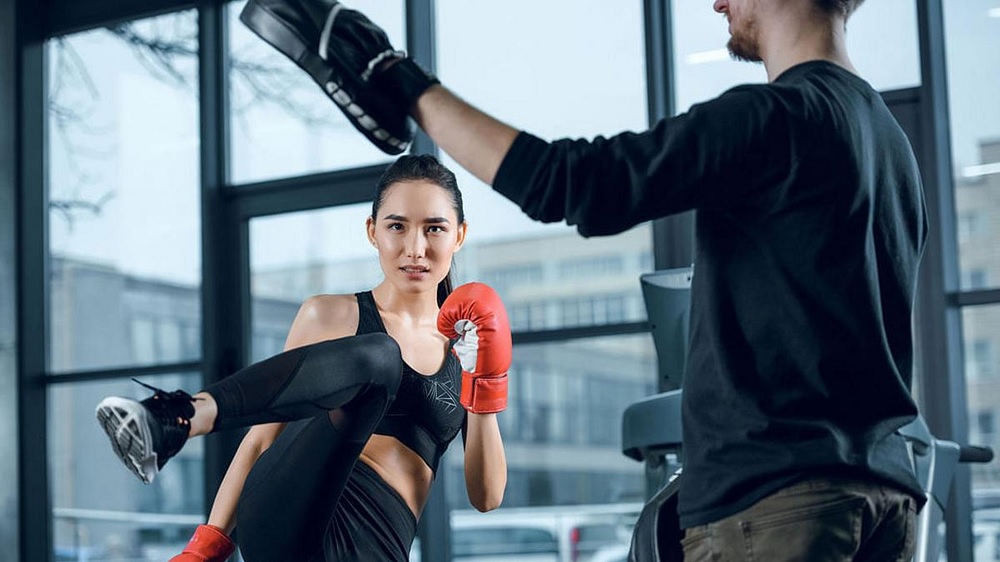
Understanding the Uniqueness of Gym Culture in Singapore
Singapore’s gym scene is unlike any other in Southeast Asia. Influenced by its multicultural population, high-pressure work environment, and tech-forward mindset, the gym culture here has evolved into a distinct ecosystem of diverse routines, social dynamics, and wellness goals. Whether it’s lunchtime HIIT sessions in the CBD or weekend family workouts in the suburbs, fitness has woven itself into the everyday lives of Singaporeans.
For many, joining a gym Singapore is not just about staying fit. It’s a lifestyle decision shaped by practical constraints, cultural preferences, and social aspirations. The modern gymgoer in Singapore isn’t looking for a one-size-fits-all solution. Instead, they want a space that accommodates their unique rhythms, goals, and identities.
The Rise of the Social Fitness Movement
In Singapore, working out is increasingly becoming a social affair. This is partly due to the communal nature of Asian societies, where collective activity often brings a stronger sense of commitment and belonging.
Key Drivers:
-
Group classes: From spin to Zumba and strength circuits, group fitness continues to grow in popularity as it brings accountability and shared motivation.
-
Buddy training: Friends or couples train together to stay consistent while enjoying each other’s company.
-
Fitness influencers: Local fitness personalities on Instagram and TikTok have created a thriving community where people share workouts, challenges, and gym memes.
Weekend Meetups and Fitspo Culture
Singaporeans are using the gym as a place to socialise and unwind. Saturday morning group workouts followed by brunch are a common trend among younger adults. Fitness has become a new form of social currency, particularly among urban millennials.
Gym Preferences by Demographics
Young Professionals (20s to early 30s)
-
Prefer centrally located gyms near MRT stations or workplaces
-
Enjoy fast-paced classes like HIIT, bootcamps, or functional training
-
Are influenced by fitness apps, wearable trackers, and social media
Busy Parents
-
Look for gyms offering childcare facilities or family-friendly class timings
-
Often train during school hours or early evenings
-
Choose low-impact classes such as yoga, Pilates, or guided stretching
Seniors and Active Agers
-
Prioritise low-impact strength training, mobility, and posture correction
-
Value personalised attention and safe environments
-
Attend gyms with flexible scheduling and experienced trainers
Urban Constraints and Adaptive Fitness Routines
Living in a land-scarce, high-density city means Singaporeans must adapt their workouts to their physical and time constraints.
-
Space-saving workouts: Compact training tools like resistance bands, dumbbells, and kettlebells are popular for home or small-space training.
-
Short-format classes: Many gyms now offer 30–45 minute power sessions that fit into lunch breaks or short windows between meetings.
-
Hybrid memberships: With hybrid working becoming the norm, people are combining in-gym access with app-based workouts they can do at home or while travelling.
Influences from Local Food Culture
Food is a significant part of Singaporean identity. This has also influenced how people approach fitness.
-
Calorie-conscious menus: Many gym-goers actively track their calorie intake to offset indulgences at hawker centres or weekend feasts.
-
Protein-rich local meals: Dishes like grilled chicken rice or yong tau foo are often adapted for muscle-friendly diets.
-
Nutrition advice: Singaporeans increasingly consult trainers for food planning, especially those aiming for fat loss or muscle gain.
Mindful Fitness and the Mental Wellness Link
Mental health is no longer a taboo in Singapore’s younger generations. The gym has become a space where people manage not just physical, but also emotional and mental stress.
-
Yoga and meditation classes: Offer mental clarity and mindfulness
-
Breathwork and mobility sessions: Help reduce anxiety and improve posture from prolonged desk-bound routines
-
Fitness as therapy: Many young professionals use exercise to cope with burnout, loneliness, and digital fatigue
This evolution has seen wellness become more holistic. The role of a gym is not limited to aesthetics or strength gains, but also to building resilience, improving sleep, and finding mental peace.
The Impact of Singapore’s Weather on Gym Habits
The hot and humid climate influences both gym design and member behaviour.
-
Indoor preference: Most Singaporeans prefer indoor, air-conditioned training environments over outdoor workouts, especially during mid-day hours.
-
Hydration focus: Gyms emphasise hydration stations, electrolyte drinks, and sweat management due to frequent perspiration.
-
Flexible gear: Lightweight, breathable athletic wear is preferred, and locker facilities are crucial for post-workout grooming.
The Importance of Cleanliness and Hygiene
Post-COVID, cleanliness remains a key part of gym culture in Singapore.
-
Sanitisation stations: Found across gym floors, encouraging frequent equipment wipes
-
Mask etiquette (where relevant): Observed during transitions or low-intensity sessions
-
Clean design: Spacious layouts, touch-free access points, and air filtration systems are part of modern gym architecture
These changes reflect the high standards of hygiene and personal responsibility valued in Singaporean society.
Role of Fitness Challenges and National Campaigns
Singapore’s government frequently promotes national fitness initiatives, such as the National Steps Challenge or Health Promotion Board programmes. This public-private collaboration has contributed to a more aware and engaged fitness population.
Gyms that align their calendars with such campaigns or offer incentives for participation often see a spike in engagement.
How TFX Singapore Fits Into the Cultural Landscape
Amid this dynamic culture, TFX Singapore stands out by aligning with local values and preferences. It caters to diverse goals, from weight loss to strength building, mental wellness, and recovery. Its centrally located facilities, smart tech integration, and variety of group classes meet the ever-evolving needs of Singapore’s gymgoers.
By keeping pace with the cultural pulse of the city, TFX creates not just a fitness facility, but a lifestyle destination.
FAQs
Q. How do Singaporeans balance food indulgence with gym routines?
A. Many follow a “flexible eating” principle. They enjoy local food but offset it with structured workouts and calorie tracking. Trainers often help customise meal plans around hawker favourites.
Q. Are gyms popular among older adults in Singapore?
A. Yes. Active ageing is a key national focus. Seniors engage in low-impact fitness to stay mobile and healthy. Gyms that offer safe and guided routines see regular senior participation.
Q. Do people in Singapore prefer group classes or solo training?
A. Both are popular. Group classes are great for socialising and accountability, while solo training suits those with specific goals or introverted personalities. Most gyms offer both options.
Q. What role does technology play in Singapore’s gym experience?
A. A major one. From app-based bookings to biometric check-ins and smart equipment, technology enhances convenience, tracking, and personalisation.
Q. How has hybrid work changed fitness routines in Singapore?
A. With more flexibility in work hours, people now gym mid-morning or late afternoon instead of peak hours. Online workout options are also popular for remote workdays.
